Posts

What Makes a Good Knee Osteoarthritis Doctor Stand Out?

Image
When you're dealing with knee osteoarthritis, finding the right doctor can make a world of difference in managing your pain and improving mobility. A good knee osteoarthritis doctor stands out through their specialized training, patient-centered approach, and proven success in treating degenerative joint conditions. They listen carefully to patient concerns, customize treatment plans, and stay updated with the latest advancements in orthopedic care. If you’re in search of reliable care, choose a physician who combines clinical experience with compassionate support, helping patients regain strength, function, and confidence. The best doctors don’t just treat symptoms—they improve lives. Credentials and Specialization Matter A standout doctor is often board-certified in orthopedics or rheumatology with advanced experience in treating knee osteoarthritis. They regularly attend medical seminars and stay current on non-surgical and surgical interventions such as injections, physical the...
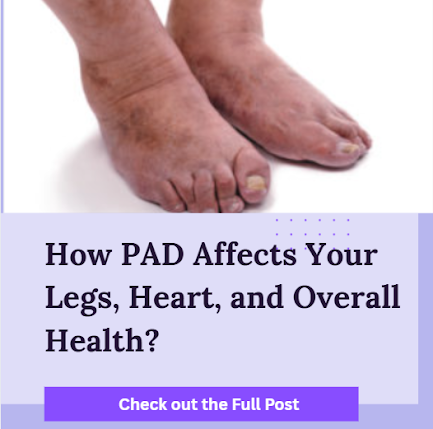
How PAD Affects Your Legs, Heart, and Overall Health?

Image
  Peripheral Artery Disease (PAD) is a serious circulatory condition that occurs when narrowed arteries reduce blood flow to your limbs, particularly your legs. If left untreated, PAD can lead to pain, limited mobility, heart disease, and other life-threatening complications. That's why understanding how PAD affects your legs, heart, and overall health is crucial, especially for residents of Los Angeles, where access to specialized care is available. If you suspect symptoms of PAD, it's essential to consult a qualified peripheral artery disease doctor in Los Angeles for proper diagnosis and guidance on the right PAD treatment options suited to your condition. What is PAD? PAD, or Peripheral Artery Disease, is caused by atherosclerosis, a buildup of fatty deposits in the arteries. This plaque buildup narrows or blocks blood vessels, mainly in the legs, reducing the oxygen and nutrients your muscles need. It's not just a condition that affects your walking ability—it's a ...

What to Know About Deep Vein Thrombosis Surgery in Los Angeles?

Image
Deep vein thrombosis (DVT) represents a serious medical condition requiring immediate attention and specialized care. Los Angeles, home to world-renowned medical facilities and vascular specialists, offers cutting-edge treatment options for patients facing this challenging condition. Understanding the surgical interventions available for deep vein thrombosis surgery in Los Angeles can help patients make informed decisions about their healthcare journey. The city's advanced medical infrastructure ensures patients receive comprehensive care tailored to their specific needs.   Understanding Deep Venous Thrombosis: Deep venous thrombosis occurs when blood clots form in the deep veins, typically in the legs, arms, or pelvis. This condition affects millions of Americans annually and can lead to life-threatening complications if left untreated. The formation of these clots disrupt normal blood circulation, creating potential risks for pulmonary embolism. Recognizing Deep Vein Thromb...

What Is Palmar Hyperhidrosis Treatment and How It Works in LA?

Image
Palmar hyperhidrosis is a medical condition characterized by excessive sweating of the palms, affecting millions of individuals worldwide. This condition goes beyond normal perspiration, causing significant social, professional, and emotional challenges for those who experience it. In Los Angeles, advanced hyperhidrosis treatment in Encino and surrounding areas offers hope for patients seeking relief from this often debilitating condition. The sweating occurs regardless of temperature, emotional state, or physical activity, making everyday tasks like handshakes, writing, or using electronic devices extremely difficult and embarrassing for sufferers. Understanding Palmar Hyperhidrosis: Palmar hyperhidrosis occurs when the sympathetic nervous system becomes overactive, triggering excessive sweat production in the palms. This neurological condition typically begins during childhood or adolescence and can significantly impact the quality of life. The exact cause remains unclear, though...

How a Peripheral Vascular Doctor Can Help Diabetics Prevent Complications?

Image
  Diabetes is a long-term condition that can silently damage blood vessels, especially in the legs and feet. Over time, this can lead to serious problems such as slow-healing wounds, infections, and even amputation. That's where a peripheral vascular doctor becomes essential. These specialists focus on diagnosing and treating blood flow problems that are common among diabetic patients. With regular care from a vein doctor, many of these complications can be detected early and managed effectively. Working with a vein specialist ensures that individuals with diabetes maintain healthy circulation and reduce the risk of severe vascular issues. The Role of a Peripheral Vascular Doctor in Diabetic Care A peripheral vascular doctor treats disorders related to the arteries and veins outside the heart and brain. People with diabetes are more likely to suffer from poor circulation, especially in their lower limbs. Left untreated, this can result in foot ulcers, infections, and other serious ...

Surgical vs. Non-Surgical Options from a Carotid Artery Doctor: What to Expect

Image
  Understanding your treatment choices is vital to making the best health decision when dealing with carotid artery disease. A carotid artery doctor can evaluate your condition and recommend surgical or non-surgical options based on the blockage's severity and overall health. While some patients may benefit from lifestyle changes and medication, others may need more immediate intervention through surgery. Knowing what to expect from both approaches helps you prepare for your treatment journey, reduce risks, and ensure the best possible outcome with the guidance of a skilled vascular specialist. Understanding Carotid Artery Treatment Options Non-Surgical Management For patients with mild to moderate narrowing, a carotid artery doctor may suggest non-surgical methods such as: Lifestyle changes : Quitting smoking, eating a heart-healthy diet, and staying active. Medication : Cholesterol-lowering drugs and blood thinners to reduce plaque buildup and prevent clots. Regular monitoring : ...

How to Know When It’s Time to Visit a Vein and Vascular Institute for Your Symptoms?

Image
  If you've been experiencing persistent discomfort in your legs, unexplained swelling, or visible veins, consider visiting a vein and vascular institute. Many people ignore or dismiss these symptoms, assuming they are a normal part of aging or lifestyle. However, vein and vascular problems can escalate if left untreated. Early warning signs are crucial for effective treatment and better long-term health. This article will guide you on identifying symptoms that warrant a visit to a vein and vascular for a proper diagnosis and treatment. Common Symptoms That Indicate Vein and Vascular Problems Your body gives you subtle signals that something might be wrong with your vascular system. If you experience any of the following symptoms, it might be time to schedule a consultation with a vein and vascular institute: 1. Visible Veins If you notice blue or purple veins on your legs or other parts of your body, it could indicate that your veins are malfunctioning. Varicose veins, for example...