Posts

Showing posts with the label peripheral artery disease treatment

How Much Does Peripheral Artery Disease Treatment Cost in Los Angeles?

Image
  Peripheral artery disease treatment in Los Angeles typically costs anywhere from $300 a year for medication-only management to $60,000 or more for surgical bypass, depending on how advanced the disease is. Supervised exercise therapy runs about $50–$150 per session, angioplasty with stenting averages $10,000–$40,000, and atherectomy averages around $15,000. Because Los Angeles has a cost of living roughly 76% above the national average, out-of-pocket costs often land on the higher end of national ranges. Insurance coverage, blockage severity, and which peripheral artery disease doctor in Los Angeles you choose all shape your final bill. The good news: PAD is very manageable when caught early, and much of the cost is within your control. 5 Key Takeaways Early-stage PAD is the cheapest to treat  lifestyle changes, walking programs, and medications can cost under $1,000 a year. Minimally invasive procedures like angioplasty and stenting cost far less than surgery, typically $10...

Top 10 Benefits of Early Peripheral Artery Disease Treatment

Image
Leg pain, cramping, or numbness while walking shouldn’t be brushed off as “just getting older.” These are often early warning signs that your circulatory system needs attention. Starting peripheral artery disease treatment early can mean the difference between a quick recovery and a serious health complication. Patients across Calabasas, Burbank, Glendale, and Van Nuys are discovering that timely care protects mobility, prevents amputation risks, and restores everyday quality of life. If you’ve noticed unusual leg discomfort, this guide breaks down why acting now truly matters. Why Early Diagnosis Changes Everything? Catching circulation problems before they worsen gives doctors more treatment options and gives you a better long-term outlook. Vascular specialists offering peripheral arterial disease Encino services often emphasize that early-stage intervention is far less invasive than treating advanced blockages later. 1. Prevents Disease Progression Addressing symptoms early stops p...

8 Facts About Peripheral Artery Disease Treatment You Should Know

Image
Living with blocked or narrowed arteries in your legs isn't just uncomfortable, it can become life-threatening if ignored. Peripheral artery disease treatment has advanced significantly, giving patients real options beyond just medication. Whether you're newly diagnosed or researching on behalf of a loved one, understanding how modern care works helps you ask smarter questions and make more confident decisions with your doctor. What Actually Causes the Need for Treatment? Plaque buildup in the arteries reduces blood flow to the limbs. Without proper intervention, this leads to pain, wounds that won't heal, and in severe cases, amputation. 8 Facts Worth Knowing 1. Lifestyle Changes Come First. Doctors often start with walking programs, dietary shifts, and smoking cessation before any procedure. 2. Medications Manage Risk, Not Just Symptoms Blood thinners, cholesterol drugs, and blood pressure medications work together to slow disease progression. 3. Angioplasty Is Minimall...

How PAD Affects Your Legs, Heart, and Overall Health?

Image
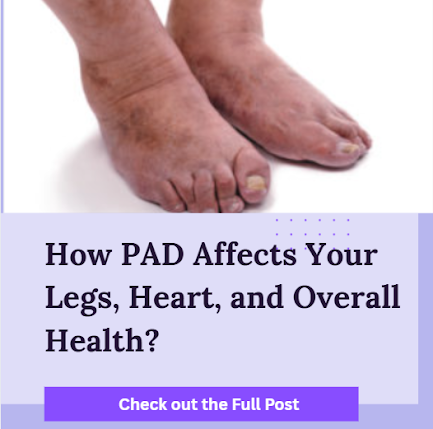
  Peripheral Artery Disease (PAD) is a serious circulatory condition that occurs when narrowed arteries reduce blood flow to your limbs, particularly your legs. If left untreated, PAD can lead to pain, limited mobility, heart disease, and other life-threatening complications. That's why understanding how PAD affects your legs, heart, and overall health is crucial, especially for residents of Los Angeles, where access to specialized care is available. If you suspect symptoms of PAD, it's essential to consult a qualified peripheral artery disease doctor in Los Angeles for proper diagnosis and guidance on the right PAD treatment options suited to your condition. What is PAD? PAD, or Peripheral Artery Disease, is caused by atherosclerosis, a buildup of fatty deposits in the arteries. This plaque buildup narrows or blocks blood vessels, mainly in the legs, reducing the oxygen and nutrients your muscles need. It's not just a condition that affects your walking ability—it's a ...